

Home / Learn
Master the Basics of RTK GPS
Build your understanding of RTK GPS, GNSS and NTRIP with clear, beginner-friendly articles and technical explanations.
 Yuri
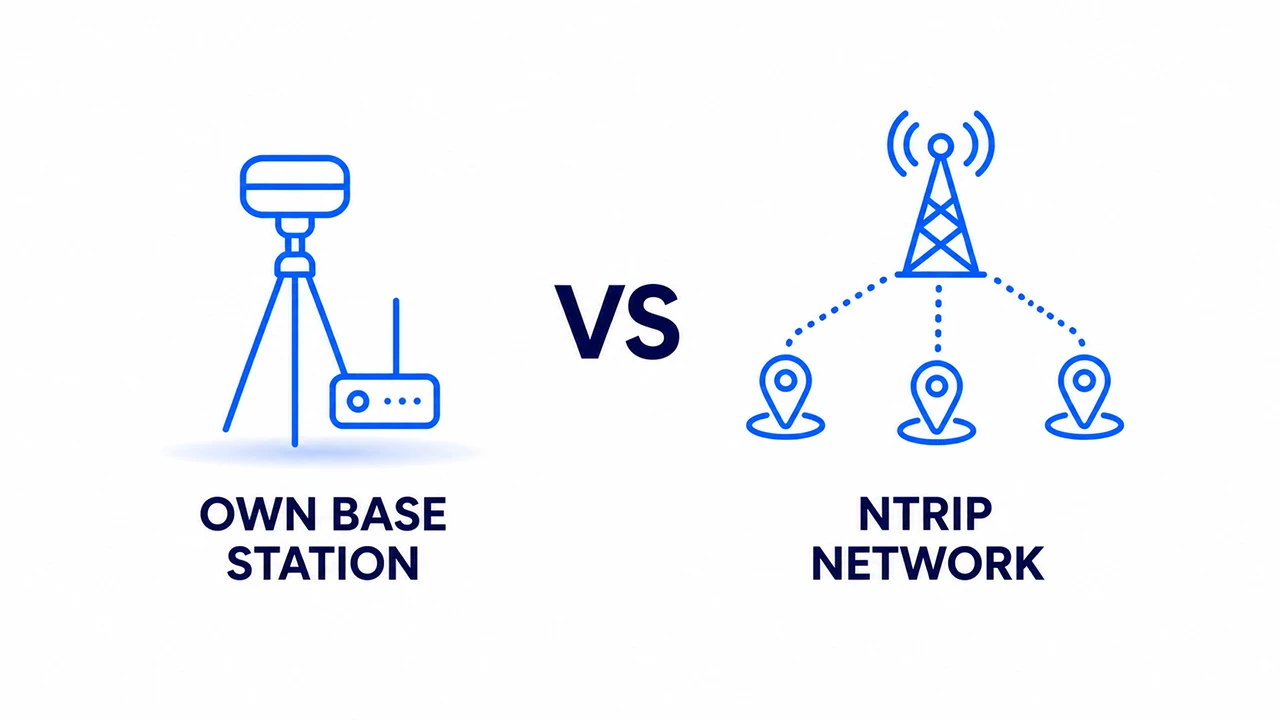
YuriOwn base station vs NTRIP network — which is better?
Both approaches deliver centimetre-accurate RTK Fix. The right choice depends on how you work, where you work and how often you work. This page gives you everything you need to decide.
July 25, 2026
 Wilko
WilkoHow far can you be from the base station?
Baseline length — the distance between your rover and the nearest reference station — directly affects whether you get RTK Fix, how fast you get it, and how accurate it is. Here is what every RTK user needs to know.
July 25, 2026
 Yuri
YuriWhat is GEODNET and how does the network work?
GEODNET is the world's largest decentralized GNSS reference station network, delivering centimetre-accurate RTK corrections to any device, anywhere on Earth. Understanding how it works helps you get the most from any correction service built on it.
July 25, 2026
 Yuri
YuriWhat is GGA and why do I need to enable it?
GGA is a short position message your device sends to the NTRIP server. For standard mountpoints it is optional. For VRS mountpoints it is mandatory — without it the server cannot generate corrections and streams nothing back. This is the single most common reason VRS appears to connect but delivers no Fix.
July 25, 2026
 Yuri
YuriWhat is PDOP and why does it matter for RTK?
PDOP measures the geometry of the satellites your receiver can see. A low PDOP means a strong, well-spread satellite pattern and more reliable RTK positions; a high PDOP means the same signals produce less certain results.
July 25, 2026
 Wilko
WilkoWhat is RTCM and which version do I need?
RTCM is the universal language that RTK correction services and receivers use to communicate. Choosing the wrong version does not stop corrections from flowing — but choosing the right one gives you faster Fix and better accuracy.
July 25, 2026
 Yuri
YuriWhat is VRS and when do you need it?
VRS (Virtual Reference Station) makes a correction network behave as though a base station is right beside your rover. It eliminates long-baseline errors, improves Fix reliability across a network and is simple to use once GGA transmission is enabled.
July 25, 2026
 Yuri
YuriWhich NTRIP mountpoint should I choose?
The right mountpoint depends on two things your device and your baseline. Choose the wrong one and you may get Float instead of Fix, or Fix without the accuracy your receiver is capable of.
July 25, 2026
 Wilko
WilkoWhat is the difference between Float and Fix?
Float and Fix are the two RTK solution types. They look similar on a status screen — both show a position with corrections applied — but the accuracy difference between them is enormous. Fix is centimetres. Float is decimetres to metres. Never collect survey data at Float.
July 24, 2026
 Wilko
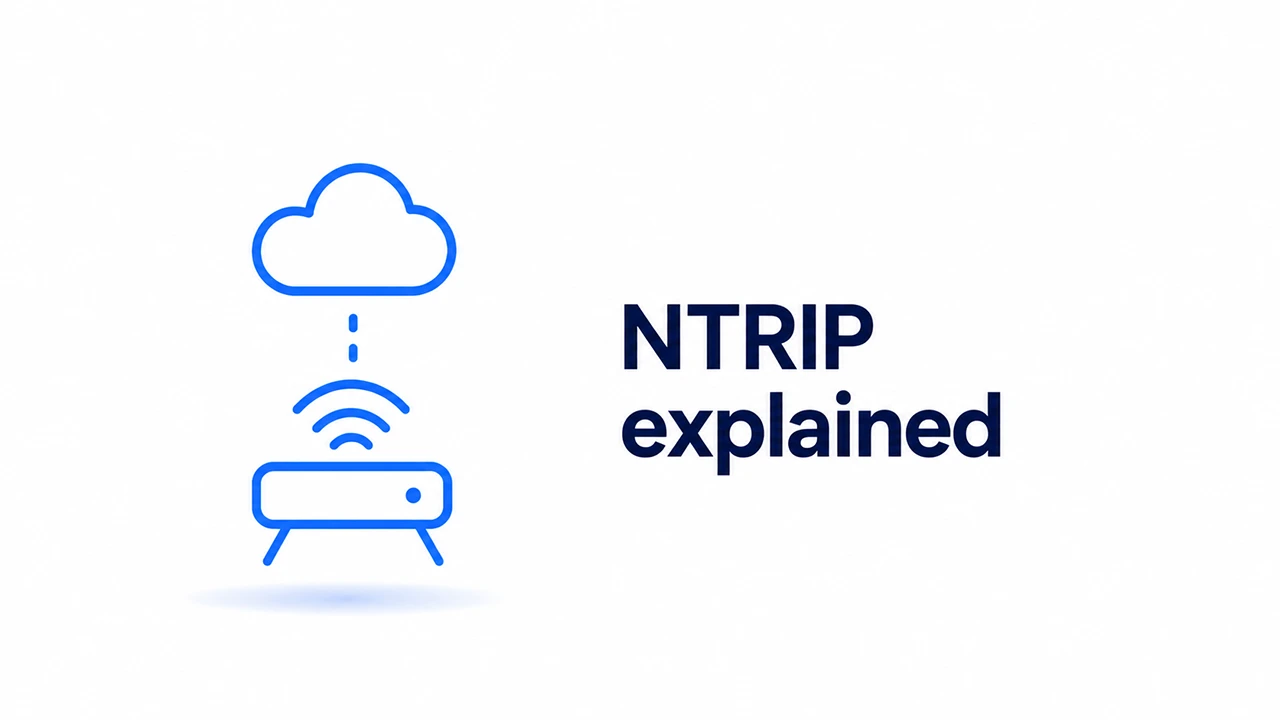
WilkoWhat is NTRIP and how does it work?
NTRIP is the internet protocol that delivers RTK correction data from reference stations to your rover over a mobile data connection. It replaced radio links as the dominant correction delivery method — and it is the reason a single receiver with a SIM card can achieve centimetre accuracy anywhere in a correction network's coverage area.
July 24, 2026